
My Functional Smile
Myofunctional Therapy
My Functional Smile specializes in helping children in The Woodlands, Tx and surrounding areas, finally stop mouth breathing.
We fix the hidden mouth-and-airway habits behind their snoring, grinding, and exhausted mornings.
My Functional Smile specializes in helping children in The Woodlands, Tx and surrounding areas, finally stop mouth breathing.
We fix the hidden mouth-and-airway habits behind their snoring, grinding, and exhausted mornings.
What is Myofunctional Therapy?
Think of myofunctional therapy as physical therapy for your mouth, tongue, and facial muscles.
When the muscles in your face and mouth aren't working together correctly—a condition known as an orofacial myofunctional disorder (OMD)—it can quietly disrupt how you breathe, sleep, speak, and swallow. You or your child might experience this as chronic mouth breathing, snoring, jaw fatigue, or a persistent tongue thrust.
Through targeted, easy-to-learn exercises, myofunctional therapy retrains these muscles to build proper resting habits—like resting your tongue on the roof of your mouth and breathing naturally through your nose.
How we help:
During an initial evaluation, we assess your facial muscle movements, breathing patterns, and speech to pinpoint where the muscle dysfunction is happening. From there, we design a personalized program you can complete in person or 100% virtually from the comfort of home.
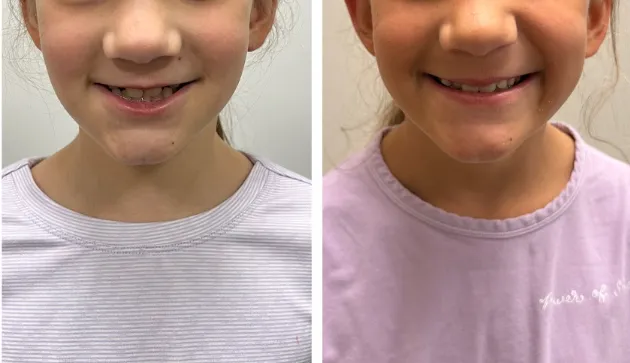
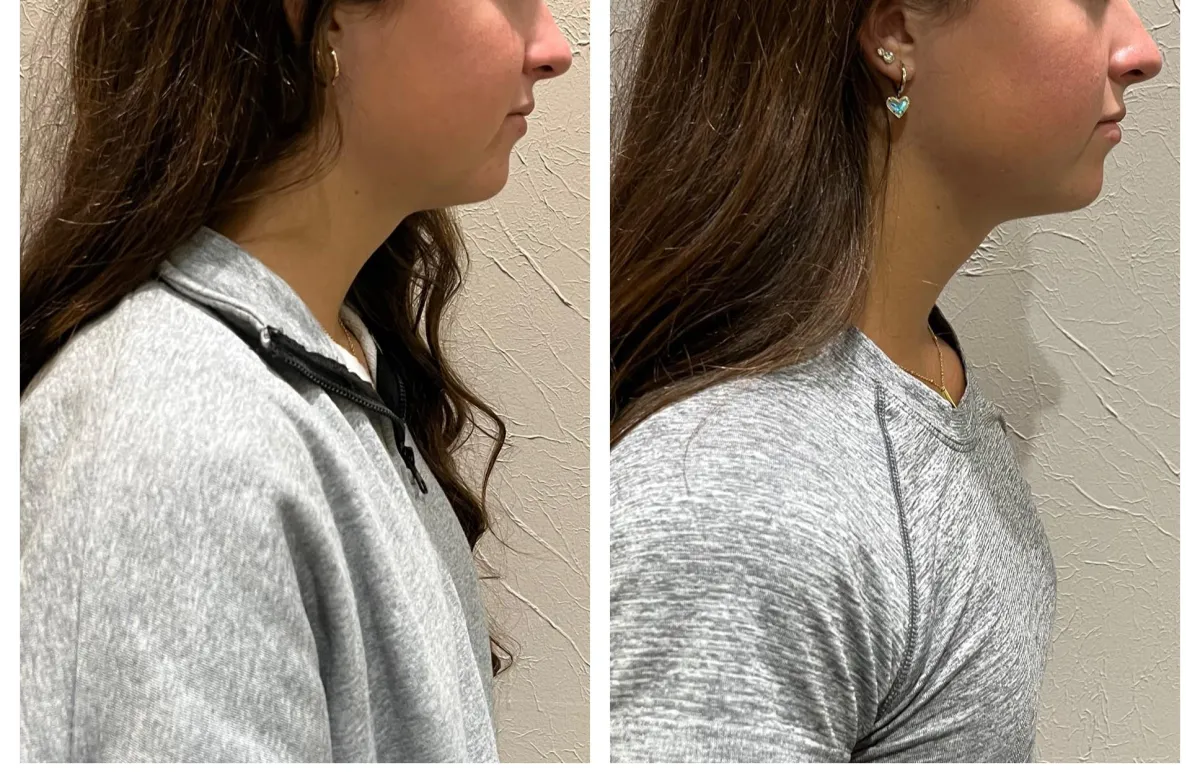
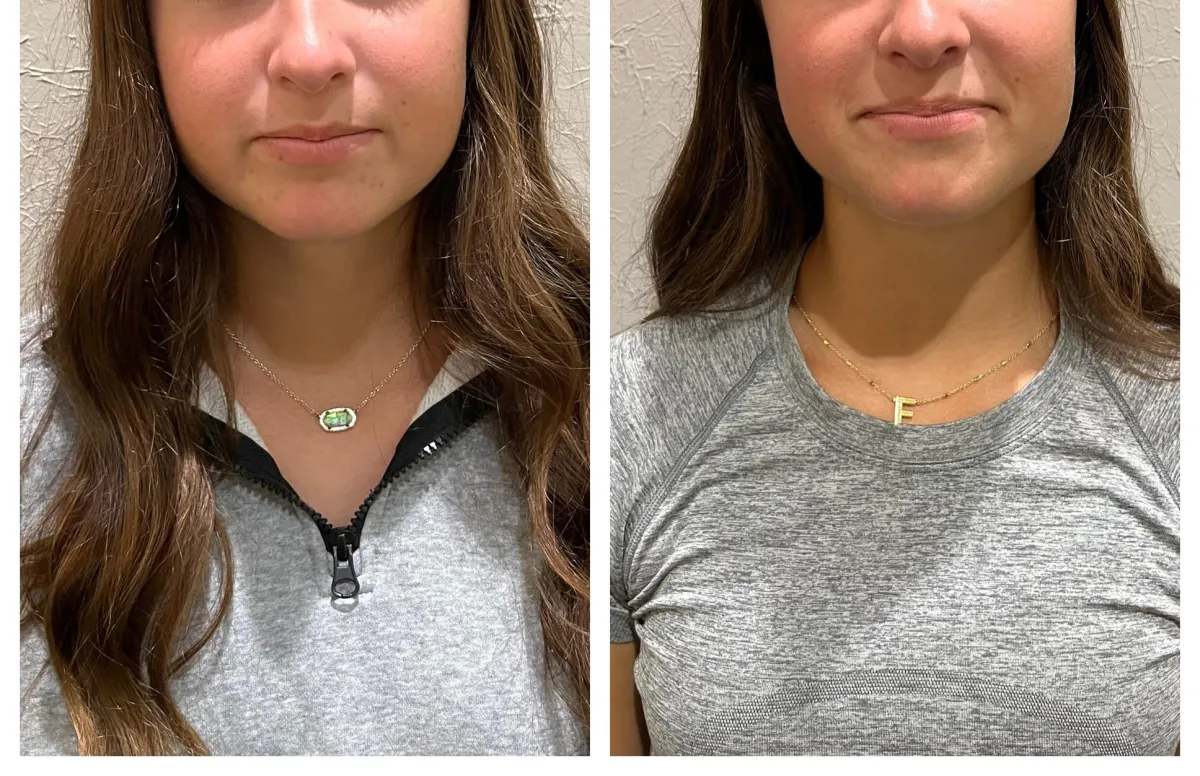
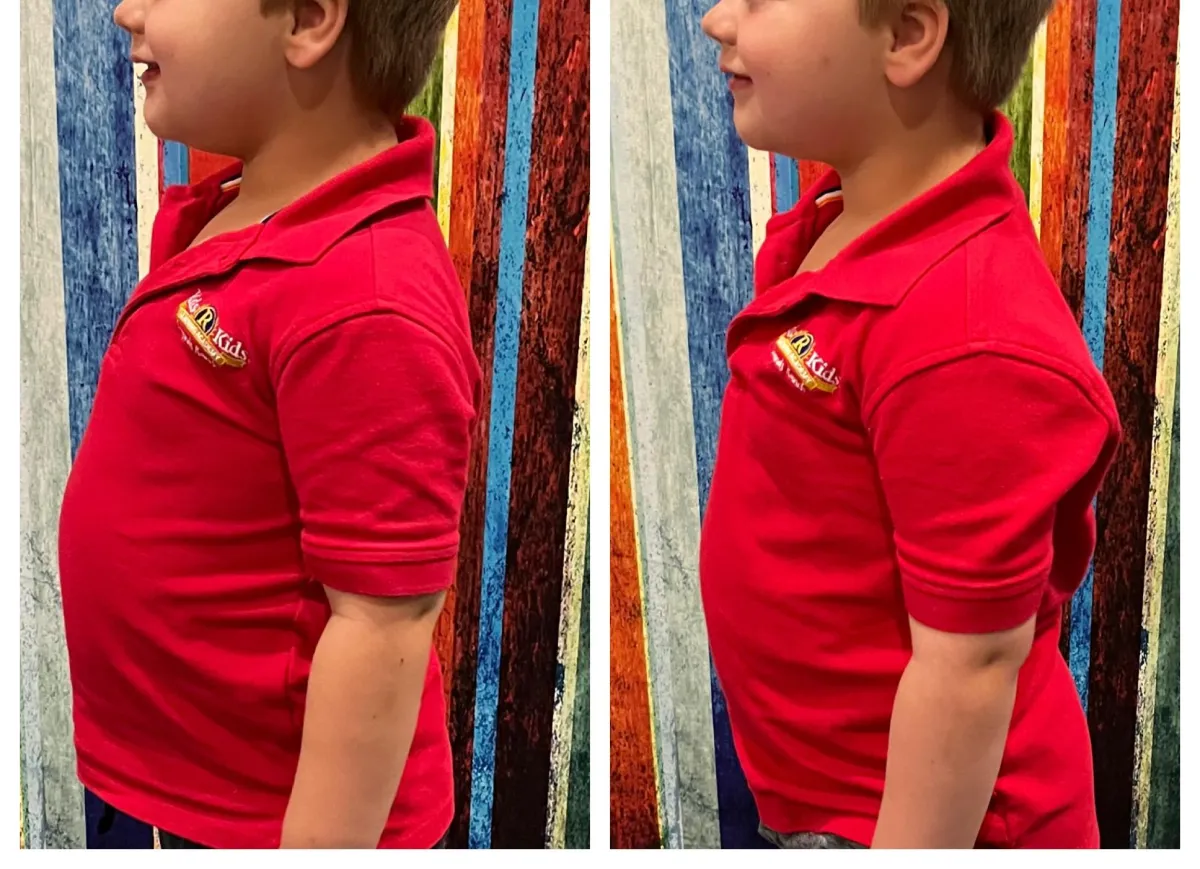
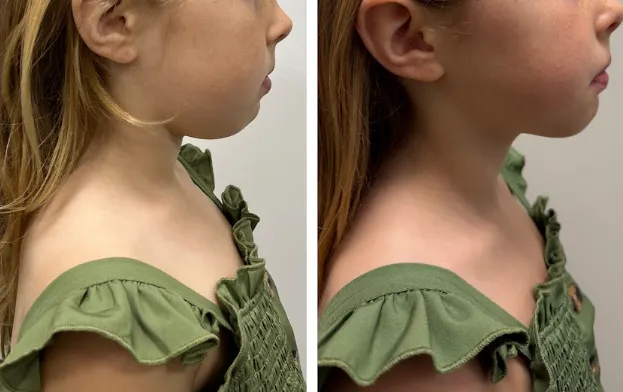
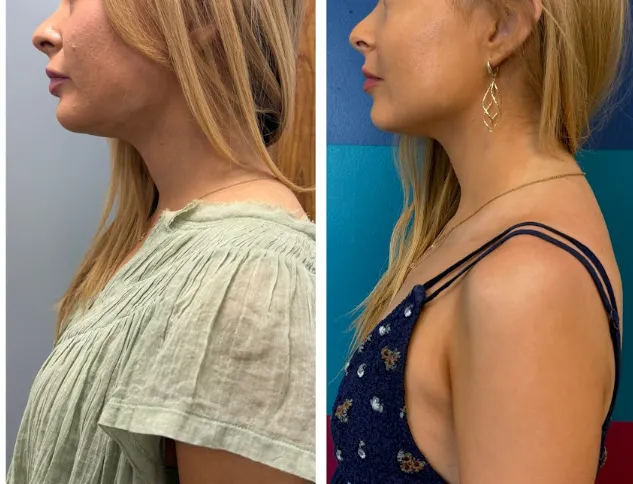
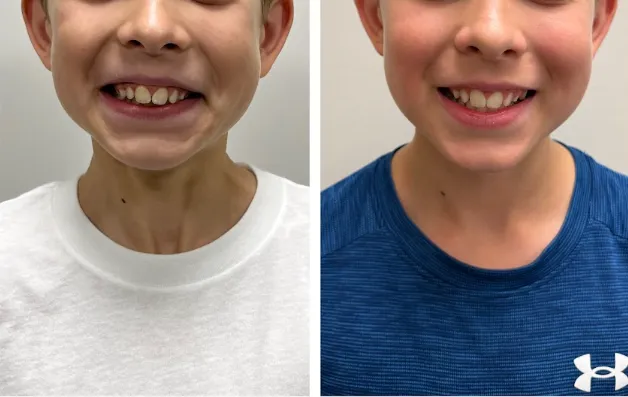
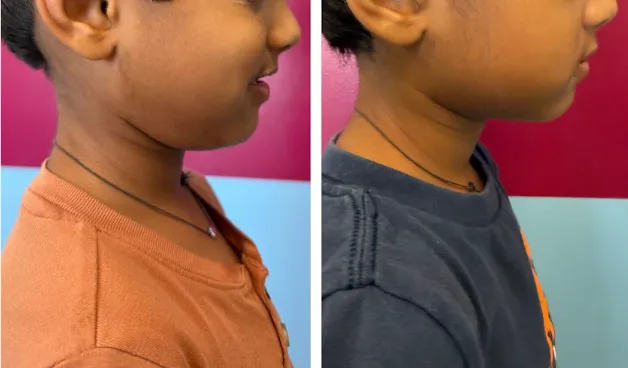
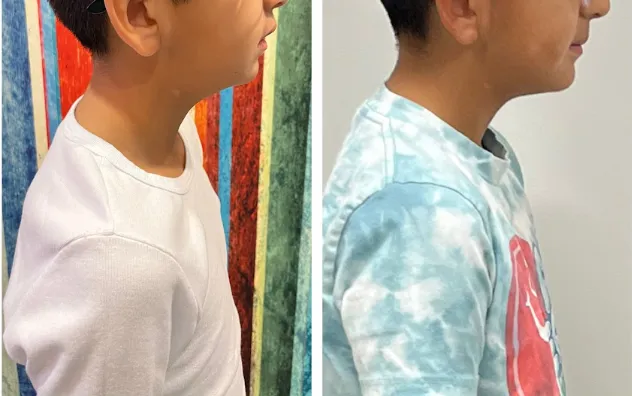
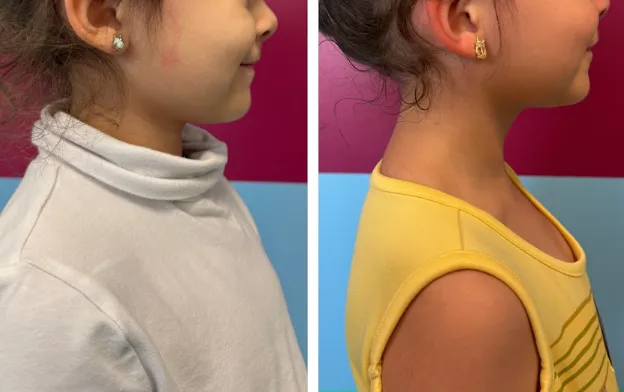
What is Myofunctional Therapy?
Think of myofunctional therapy as physical therapy for your mouth, tongue, and facial muscles.
When the muscles in your face and mouth aren't working together correctly - a condition known as an orofacial myofunctional disorder (OMD) - it can quietly disrupt how you breathe, sleep, speak, and swallow. You or your child might experience this as chronic mouth breathing, snoring, jaw fatigue, or a persistent tongue thrust.
Through targeted, easy-to-learn exercises, myofunctional therapy retrains these muscles to build proper resting habits - like resting your tongue on the roof of your mouth and breathing naturally through your nose.
How we help:
During an initial evaluation, we assess your facial and oral muscle function as well as breathing patterns to pinpoint where the muscle dysfunction is happening. From there, we design a personalized program you can complete in person or 100% virtually from the comfort of home.
Who needs Myofunctional Therapy?
You may notice signs or symptoms that suggest your child could benefit from myofunctional therapy. These signs can include:
Mouth breathing
Snoring or sleep apnea
Chronic allergies or sinus problems
Difficulty chewing or swallowing
Speech difficulties
Tongue thrusting or thumb sucking
Dental malocclusions, such as an overbite or underbite
Drooling past the age of 2 years old
Chronic headaches or neck pain

Who needs Myofunctional Therapy?
You may notice signs or symptoms that suggest your child could benefit from myofunctional therapy. These signs can include:
Mouth breathing
Snoring or sleep apnea
Chronic allergies or sinus problems
Difficulty chewing or swallowing
Speech difficulties
Tongue thrusting or thumb sucking
Dental malocclusions, such as an overbite or underbite
Drooling past the age of 2 years old
Chronic headaches or neck pain
What if a few simple changes could drastically
improve your family's sleep?
Imagine...
There was a way to effortlessly wake up feeling refreshed, with anxiety and stress melting away after a full night of deep, restorative sleep...
You could finally have peaceful nights where you and your loved ones sleep soundly, waking up ready to tackle the day with energy and focus...
You could strengthen your family bonds, as everyone feels more connected and patient, thanks to the calm and clarity that come from proper rest...
You could enjoy your daily routines without the constant fatigue, sickness, or irritability that poor sleep once brought into your life..
And all of this could be achieved with a few simple changes that transform your nights, leading to happier, healthier days for everyone...
What our Clients are saying...
The Multidisciplinary Approach
A multidisciplinary approach to myofunctional therapy is essential for its success because orofacial myofunctional disorders are often complex and can have multiple underlying causes. By involving various healthcare professionals such as dentists, speech therapists, ENTs, chiropractors, and orthodontists, a comprehensive evaluation and treatment plan can be created.
The interdisciplinary team can work together to address all aspects of the disorder, including dental issues, breathing problems, speech difficulties, and more. This approach ensures that the patient receives the most effective and individualized treatment possible, leading to better outcomes and
improved quality of life.
Frequently Asked Questions
What is the right age for myofunctional therapy?
The truth is, it's rarely too early for myofunctional therapy, and it's certainly not too late to address oral myofunctional disorders. We specialize in helping children but we see clients of all ages. Our oldest client is in her 60's.
For Younger Children (Ages 4-6): This age range is often ideal because a child's muscles and bones are still very pliable and developing. Early intervention can gently guide proper growth and establish healthy habits before compensatory patterns become deeply ingrained. At this age, therapy is typically introduced through fun, engaging activities and games.
For School-Aged Children and Teens (Ages 7-18): Significant progress can still be made. While some habits may be more established, children and adolescents are often highly motivated and capable of learning new neuromuscular patterns. Addressing these issues can support ongoing orthodontic treatment, improve sleep quality, and enhance overall well-being.
Ultimately, if you have concerns about your child's breathing, oral posture, or dental development, it's always a good time to consider an evaluation.
Where are you located?
Located right off Research Forest Drive on Egypt Lane, My Functional Smile proudly serves families across The Woodlands, Sterling Ridge, Alden Bridge, Cochran's Crossing, and Spring.
How does myofunctional therapy work?
Myofunctional therapy works like a targeted training program for the muscles of the mouth and face. We begin with a thorough assessment to identify any dysfunctional patterns in your child's breathing, swallowing, and resting oral posture. Based on this assessment, we design a personalized program of gentle, yet effective, exercises. These exercises are practiced for short durations daily, helping to retrain the neuromuscular patterns. The goal is to build muscle memory and establish new, healthy habits, leading to improved function and long-term stability.
What benefits will my child see?
The benefits of myofunctional therapy often extend far beyond just the mouth. Parents frequently report a wide range of positive changes in their children:
Improved Nasal Breathing: Learning to breathe through the nose consistently is critical for overall health, leading to better oxygen intake and filtration.
Enhanced Sleep Quality: Proper breathing patterns can significantly reduce issues like snoring, teeth grinding, and restless sleep, resulting in more restorative sleep. This often translates to improved energy, focus, and behavior during the day.
Support for Dental Development: Correct tongue posture and lip seal provide natural forces that help guide the development of the jaws and teeth, often leading to more stable orthodontic outcomes.
Clearer Speech: Strengthening oral muscles can improve articulation and reduce speech impediments related to tongue placement.
Better Chewing and Swallowing: Efficient chewing and swallowing contribute to better digestion and can help address picky eating habits.
Overall Health and Well-being: When foundational functions like breathing and sleep improve, children often experience increased vitality, better concentration at school, and improved mood.
These benefits contribute to a child's holistic development, fostering healthier habits that can impact their physical and cognitive well-being.
What signs indicate a tongue-tie?
People with a tongue-tie often breathe through their mouth, which can result in a variety of myofunctional problems and symptoms. Common issues include chronic jaw pain, sleep apnea, facial pain, headaches, and teeth clenching or grinding, as well as dental and orthodontic concerns. Studies indicate that tongue-tied children have a higher risk of developing sleep apnea and airway problems, and their facial and cranial growth can also be affected.
What is the purpose of a tongue tie release?
A tongue tie, or ankyloglossia, occurs when the tissue under the tongue (frenum) restricts its normal movement. The primary purpose of a tongue tie release (frenectomy) is to free the tongue, allowing it to achieve its full range of motion and function properly. This improved mobility is critical for effective eating, for children to develop clear speech, and for individuals of all ages to maintain healthy oral posture, encourage proper nasal breathing, and support optimal jaw and facial development.
Tongue tie releases are most effective when they are done in conjunction with myofunctional therapy to ensure the newly freed tongue learns to use its enhanced mobility effectively, optimizing long-term benefits for oral health and overall well-being.
My kid grinds their teeth. Is this normal?
Teeth clenching or grinding can indicate an airway problem. When you stop breathing during sleep, your brain sends a signal to your mouth to clench or grind in an effort to keep the mouth open. This is often a sign of a tongue-tie, where the tongue rests too low in the mouth, falling back into the airway and blocking the flow of oxygen.
Which specialists should I consult for jaw pain?
Because temporomandibular disorders (TMD) are complex, effectively managing and treating TMJ pain and related symptoms often requires a skilled, multi-disciplinary approach. A knowledgeable myofunctional therapist can play a key role in helping patients connect with the right doctors and specialists for TMD care. As a myofunctional therapist, part of our role is to guide patients to the specific healthcare professionals they need for their treatment team.
Over the years, we have developed a strong referral network, which enables us to recommend the most suitable doctor, dentist, or orthodontist based on the individual needs of my patients dealing with TMJ-related concerns.
This is a lot of money... Is it worth it?
Absolutely, yes. Myofunctional therapy is an investment in your child's long-term health and development. The therapy addresses foundational issues related to breathing, swallowing, and oral posture that can have widespread effects. By correcting these patterns early, you can help mitigate the need for more extensive interventions later, such as repeated orthodontic treatment, and potentially reduce the risk of future health issues like sleep-disordered breathing. The skills learned in therapy are lifelong, promoting healthier habits that support overall well-being for years to come.
Is insurance accepted at your practice?
We understand that healthcare costs can accumulate, but My Functional Smile is an out-of-network provider and cannot bill insurance.
Choosing to work with an out-of-network provider offers greater transparency in treatment costs for both the patient and the provider. This allows us to focus on your needs instead of working under the constraints of insurance companies. Our pricing is clear from the start, with no hidden fees, co-pays, or premiums. At My Functional Smile, we prioritize working directly for our patients, not for insurance companies that control the time spent with you and what treatments are prioritized.
Additionally, we accept FSA and HSA payments and provide the necessary receipts.
My Functional Smile
Resources
Providers
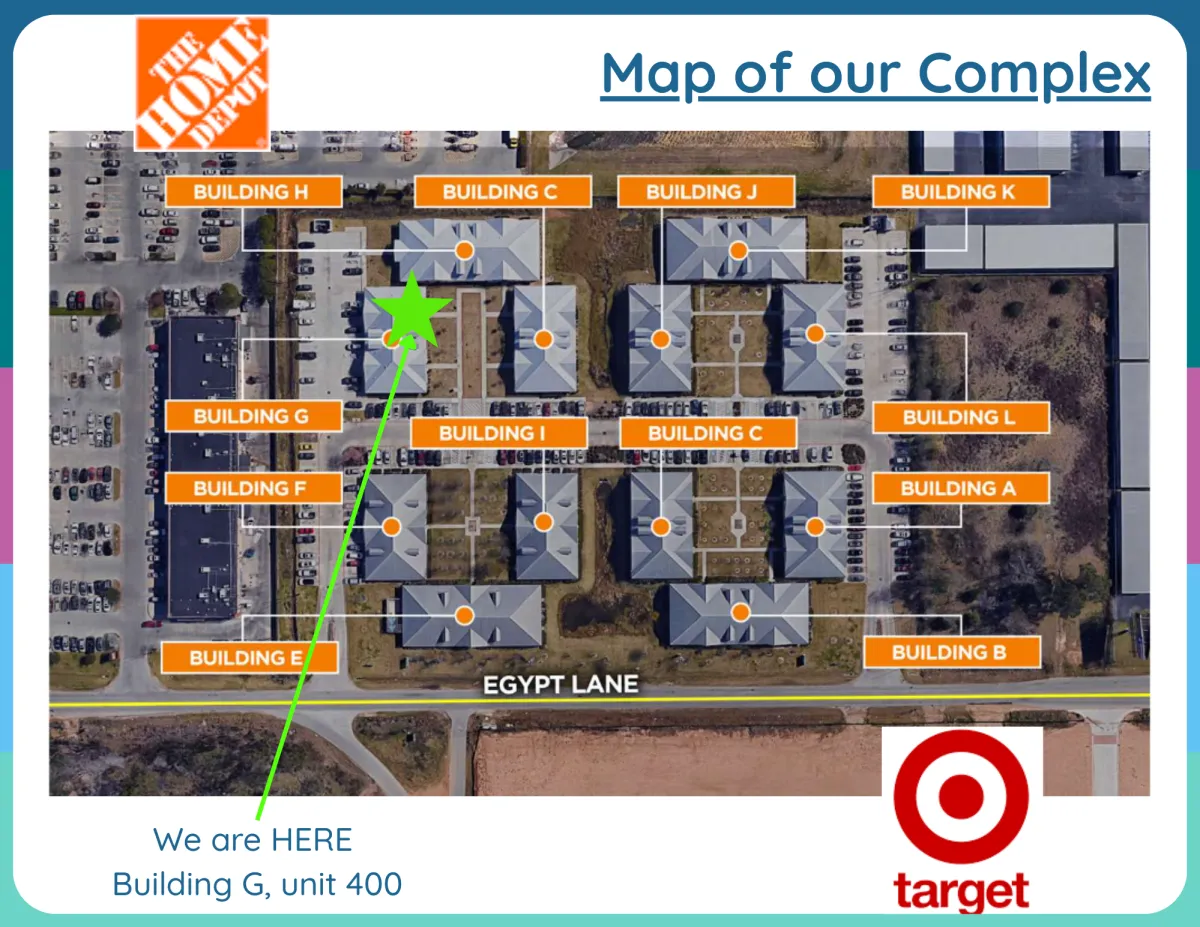
Located right off Research Forest Drive on Egypt Lane, My Functional Smile proudly serves families across The Woodlands, Sterling Ridge, Alden Bridge, Cochran's Crossing, and Spring.



© Copyright 2026. My Functional Smile. All Rights Reserved.
The information provided on this website is not intended to serve as medical advice, nor is it meant to diagnose, treat, cure, or prevent any disease, symptom, or condition. For medical advice, please consult a qualified and licensed healthcare professional. Always speak with your doctor before starting any fitness, exercise, nutrition, or weight loss program, or making any other lifestyle changes.


My Functional Smile - Myofunctional Therapy
Copyright © 2022-2026 All Rights Reserved
Privacy Policy I Terms & Condition
The information provided on this website is not intended to serve as medical advice, nor is it meant to diagnose, treat, cure, or prevent any disease, symptom, or condition. For medical advice, please consult a qualified and licensed healthcare professional. Always speak with your doctor before starting any fitness, exercise, nutrition, or weight loss program, or making any other lifestyle changes.